
Gamification fails when it means sprinkling points on worksheets — and works when it borrows the specific mechanics that make games compelling: visible progress, fast feedback, meaningful choice, and safe failure. This guide gives you 15 practical ways to gamify your classroom, ordered from five-minute wins to semester-long systems, with the pitfalls named honestly.
Quick Wins (Start This Week)
1. Turn review into live games
The lowest-effort, highest-return move: run existing question sets through a game platform — Wayground, or any pick from our platform comparison. Twenty minutes, zero new materials, every student retrieving.
2. Streaks for routines
Track class streaks (everyone submitted the bell ringer five days running) rather than individual ones — collective streaks build culture without shaming strugglers.
3. Progress bars for units
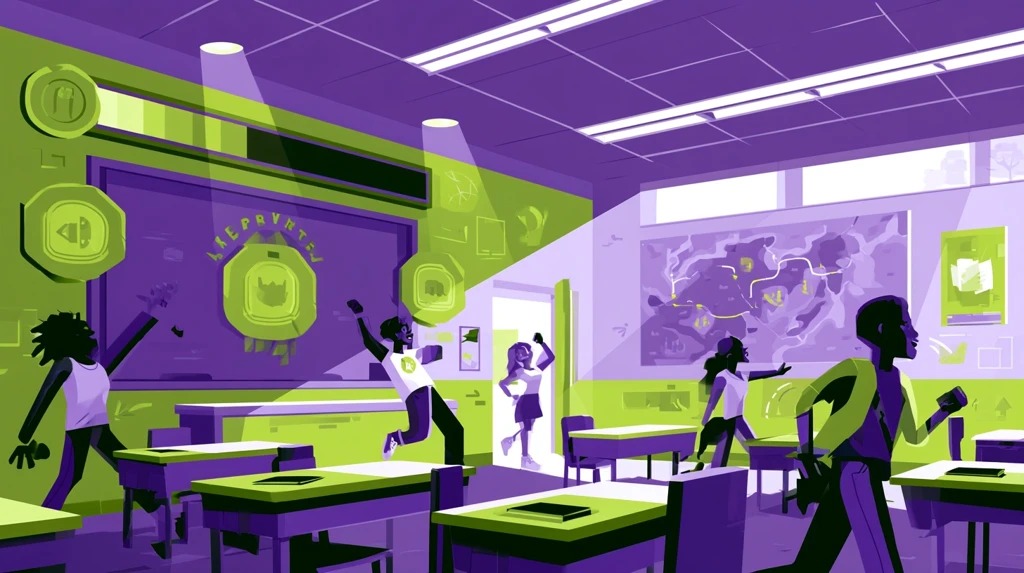
A visible unit map — skills as checkpoints, colored in as mastered — converts "we're on chapter 5" into a quest line. Ten minutes of wall space.
4. Boss battles
Rename the unit test's review day: the class collectively "fights" a boss by hitting an accuracy target on a review game (formats here). Same review, transformed stakes.
5. Mystery reward moments
Occasional unannounced rewards for process behaviors (best wrong-answer explanation, most improved) — variable reinforcement without a token economy to manage.
Medium Builds (A Weekend of Setup)
6. XP instead of (or alongside) points
Experience points that only accumulate — earned for practice, revision, helping — reframe work as growth. Crucial rule: XP tracks effort and process, grades stay accuracy-based (the same split game platforms use).
7. Levels and unlocks
XP thresholds unlock real privileges: seat choice, music vote, homework pass. The unlock list is where student voice belongs — ask them what is worth earning.
8. Badges for skills, not compliance
"Fraction Master," "Primary-Source Detective," "Debate Closer" — badges tied to demonstrated skills (evidence: formative data) carry meaning; attendance badges do not.
9. Team guilds
Standing teams with identity (name, crest) that earn collectively across weeks. Rotate membership each unit to prevent lock-in, and average contributions so every member matters — the same fairness logic as Team mode.
10. Choice boards as skill trees
Practice menus where completing branches unlocks harder/cooler tasks — differentiation disguised as progression.
Full Systems (Semester Commitments)
11. Classroom RPG
Characters, quests, guilds, narrative — the Classcraft-style deep end. Enormous engagement for the teachers who sustain it; start second semester, not September.
12. Simulation economies
Classroom currency, jobs, rent, auctions — teaches economics as a side effect. Bounded scope (one quarter) keeps the bookkeeping sane.
13. Narrative units
Frame a whole unit as a story students progress through — an expedition, a mystery, a trial. Content unchanged; wrapper changes everything for younger grades.
The Rules That Keep It Working
14. Never gamify grades
Game elements motivate practice; grades certify learning. The moment leaderboard position affects report cards, anxiety replaces play (and your accommodation principles collapse).
15. Watch for the novelty cliff
Every mechanic decays. Rotate quarterly, retire what flattens, and keep the reliable core: fast feedback and visible progress — which, stripped of costume, is just good engagement practice.
Frequently Asked Questions
Does gamification work for high schoolers?
Yes, with dignity intact: strategy (XP optimization, Gimkit-style economies) over cuteness. Seniors will grind XP they would mock as stickers.
How much time does this cost weekly?
Quick wins: zero after setup. XP/badge systems: ~20 minutes weekly of bookkeeping (a spreadsheet or platform automates most). RPGs: real time — budget honestly.
What about students who do not care about games?
Keep participation in mechanics optional where possible; the underlying practice is what matters, and choice itself is a game mechanic.
Where do I start tomorrow?
One live review game this week, one visible unit progress bar next week. Evidence before infrastructure.
TheQuizizz.com is an independent guide and is not affiliated with any platform mentioned.